2026
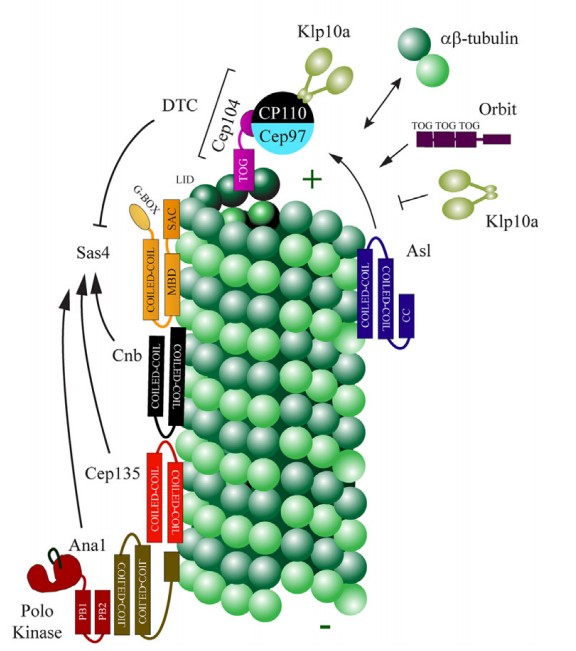
64. Unraveling the molecular details of centriole elongation.
Trends Open. 2026;1(3):336-355. doi: 10.1016/j.treopn.2026.04.003.
* co-corresponding authors
Rusan Lab / Our science
The centrosome is a non-membrane-bound organelle that serves as the main microtubule-organizing center of most animal cells. Centrosomes establish cell polarity, guide cell migration, direct intracellular cargo, and help distribute other organelles. During mitosis, they organize the spindle to ensure faithful chromosome segregation.
Our lab investigates how centrosomes are constructed from their individual parts and how their organization is adapted to different cell types. Defects in these processes can contribute to microcephaly, cancer, and other human diseases.
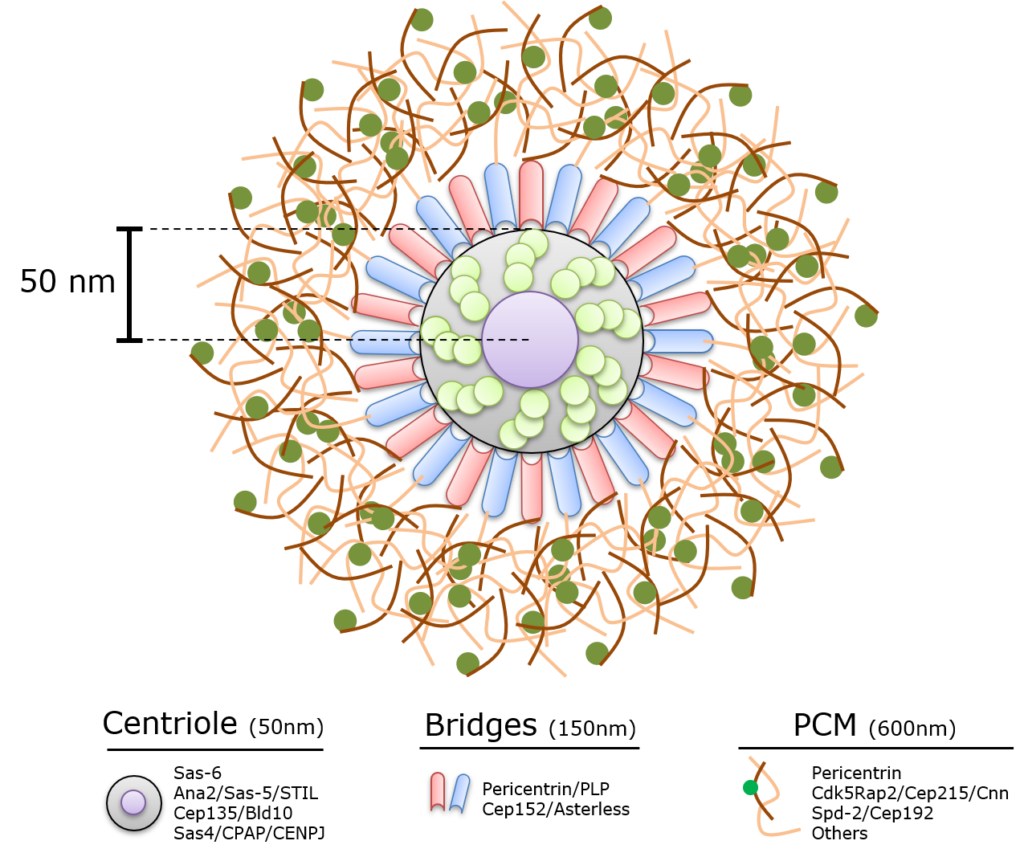
We study how centrosomal proteins control centriole assembly and organize pericentriolar material (PCM). A particular focus is Pericentrin-Like-Protein (PLP), which can act as both a negative and a positive regulator of PCM assembly. We investigate how PLP restrains PCM during interphase and anchors it during mitosis, together with the regulators and effectors that control this switch.
Trends Open. 2026;1(3):336-355. doi: 10.1016/j.treopn.2026.04.003.
* co-corresponding authors
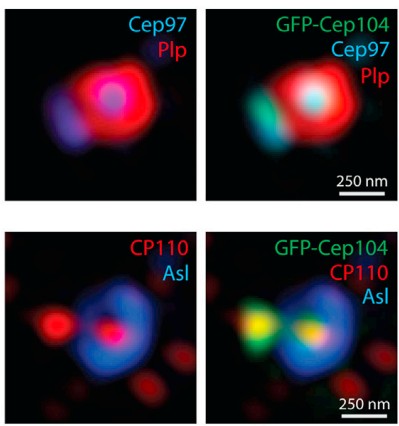
Current Biology. 2023;33(19):4202-4216.e9. doi: 10.1016/j.cub.2023.08.075.
(# co-first authors, * co-corresponding)
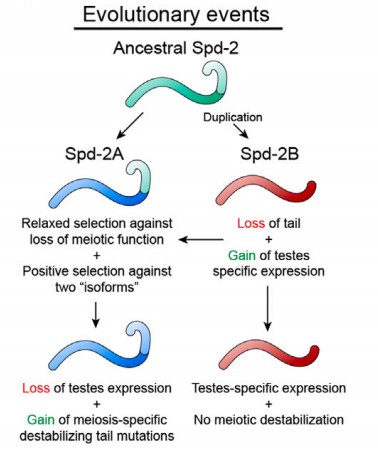
Current Biology. 2023;33(14):3031-3040.e6. doi: 10.1016/j.cub.2023.06.020.
(# contributed equally, * co-corresponding)
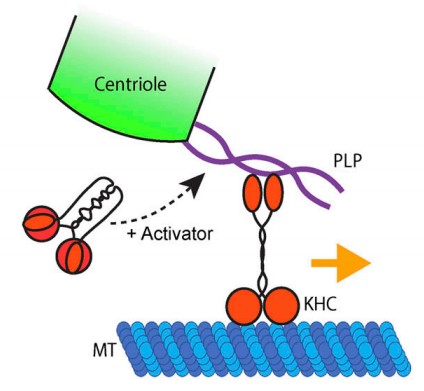
Journal of Cell Biology. 2022;221(9):e202112097. doi: 10.1083/jcb.202112097.
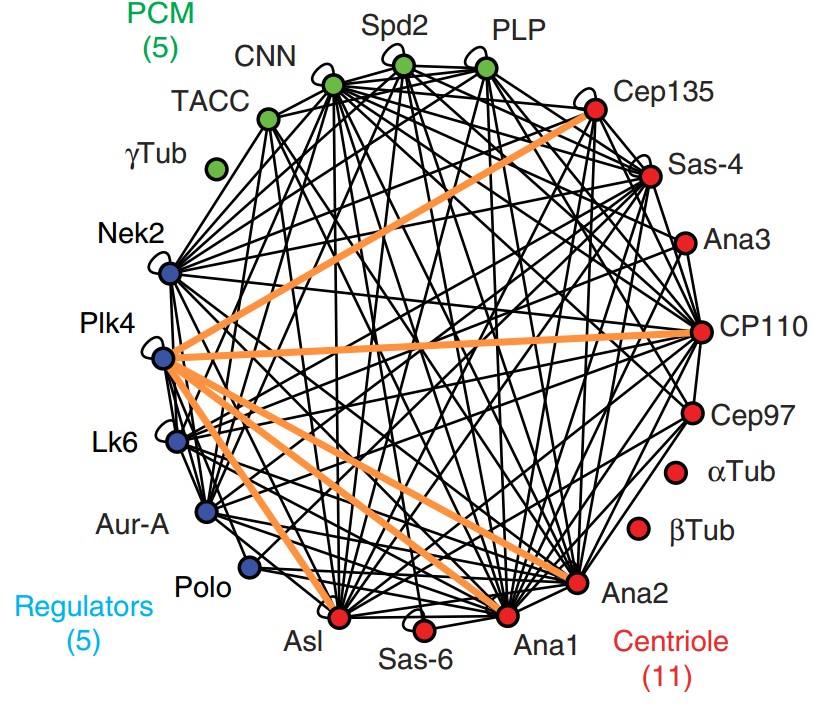
Nature Communications. 2016;7:12476. doi: 10.1038/ncomms12476.
